
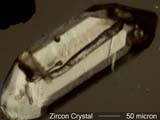
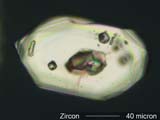
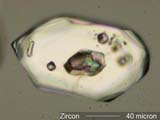
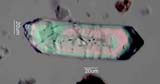
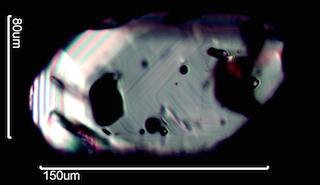
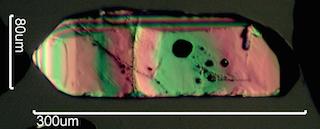
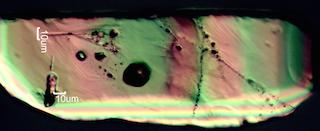
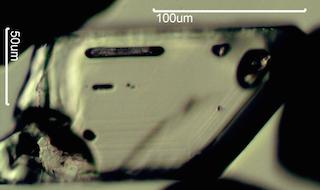
ZirconWithin zircon crystals much of the geological history of the earth is written. They revealed the presence of oceans before there was life on this planet, 4.4 billion years ago. They record the history of rock formations, ancient drainage patterns, the development of the earths crust and the growth of different parts of each crustal plate. Each zircon crystal is a puzzle waiting to be solved. Some are complex and others are simple but all are a challenge. The relative length of the crystal (aspect ratio: length to width) indicates its rate of growth; longer crystals (higher aspect ratio) grew faster, near the surface of the earth. Shorter crystals tended to be from slowly cooled rock much deeper in the crust or even in the mantle of the earth. Zircons can show the shock of meteor impacts or may themselves be from meteorites. The variations in shape and internal texture shown by zircons can mark the origin of a soil in a forensic investigation. The soil is marked by the rocks that degraded to aid in the formation of the soil. These rocks came from the local geology and reflect the geological history of that locality. Zircons show the variety of rock formations that contributed to the soil and the relative contribution of each. The high density of zircon, 4.6 grams/cc, makes it easy to separate from the more common lighter minerals. Its high birefringence, high refractive indices, and its tendency to exhibit its tetragonal crystal structure simplify its identification in a sample. Associated minerals can often add additional context to the story revealed by the zircon crystals. In short, zircon crystals are particularly fun. Zircon By ShapeRounded 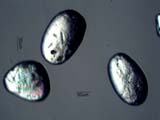
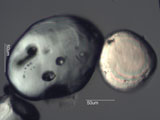
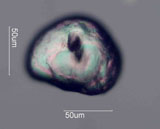
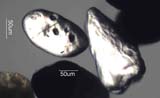
Pupin (1980) Class P3 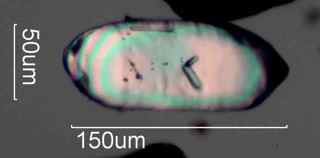
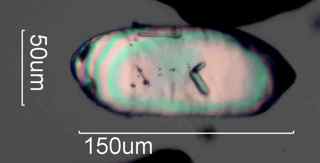
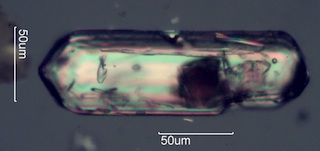
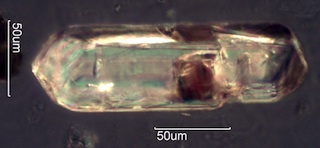
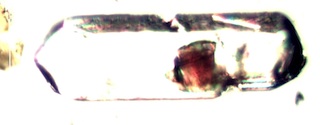
Pupin (1980) Class P4 

Pupin (1980) Class R2 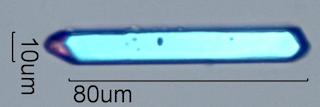
Pupin (1980) Class R3 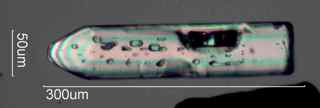
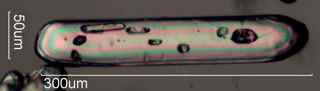
Pupin (1980) Class S13 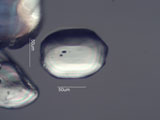
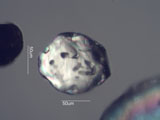
Pupin (1980) Class S15 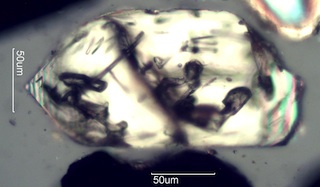
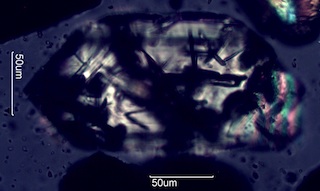
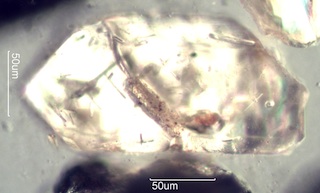
Pupin (1980) Class 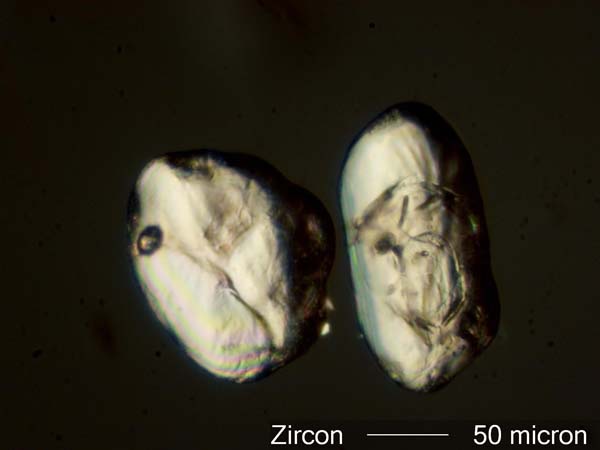

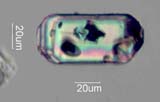
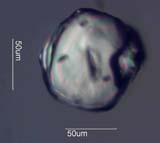
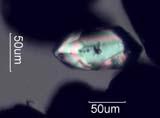
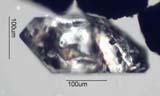
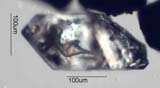
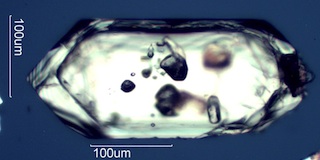
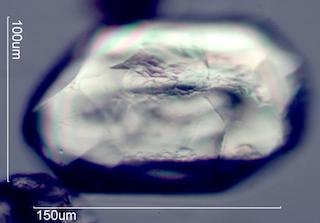
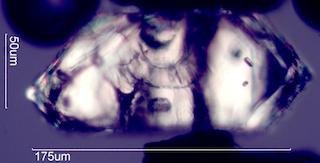
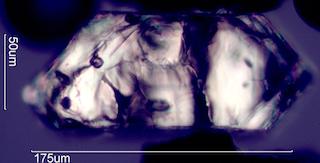
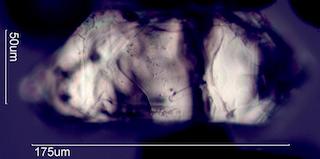
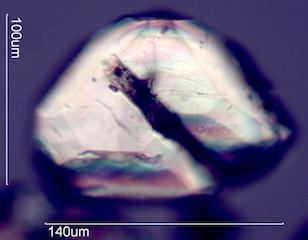
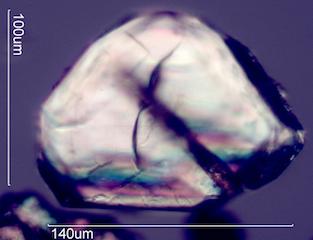
Zircons by LocationKirra Beach, Gold Coast 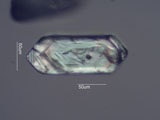
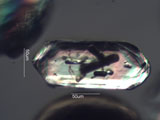
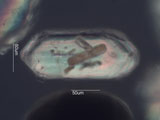
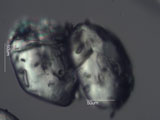
Mexico Copper Canyon 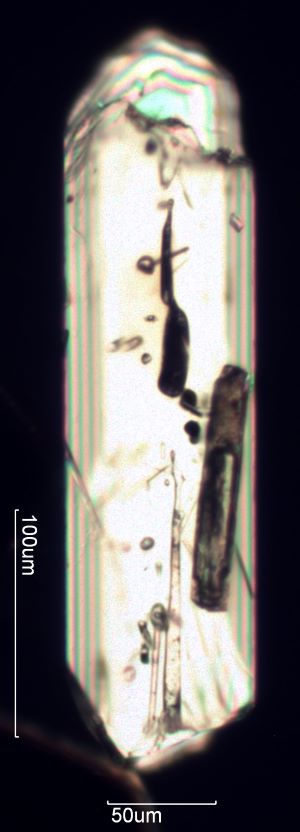
MOZAMBIQUE Ocean Beach 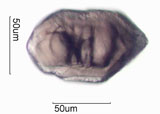
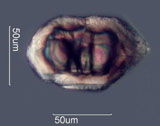
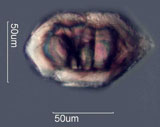
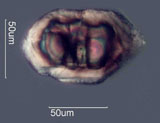
USA Fort McDowell, AZ 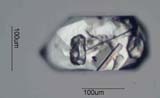
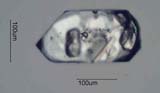
Sedona, AZ 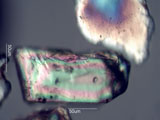
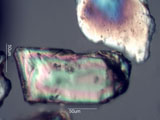
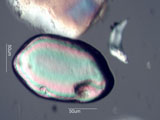
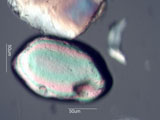
Joshua Tree, CA
Lake Poway, CA
Pacific Beach, San Diego, CA
Torry Pines State Park, CA 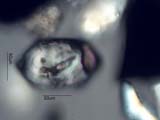
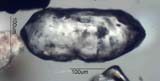
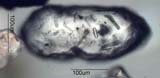
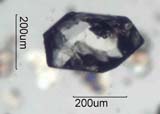
Big Talbot Island, FL
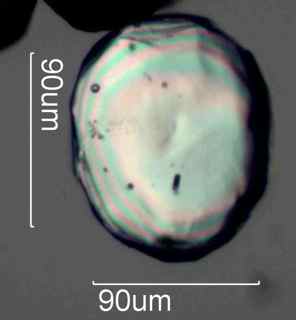
Hilton Head, SC 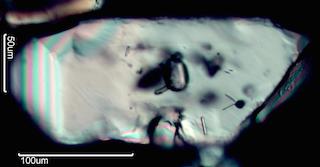
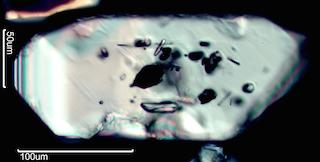
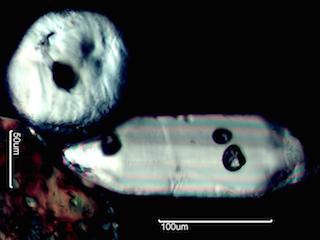
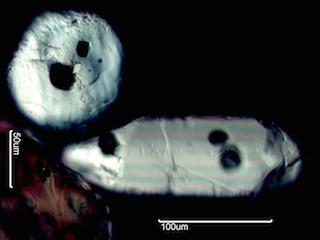
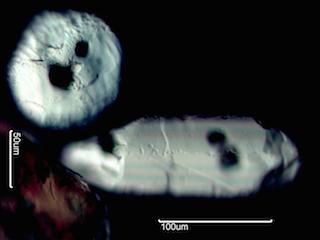
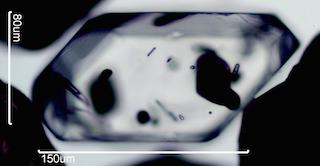
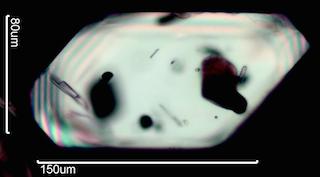
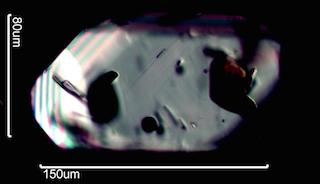
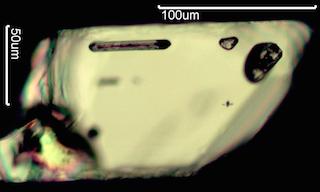
Lake Mohave, NV
Stonefield Beach State Park, OR 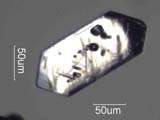
Virginia Beach, VA 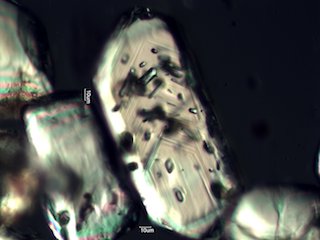
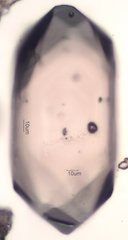
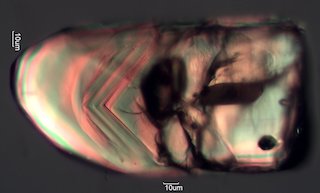
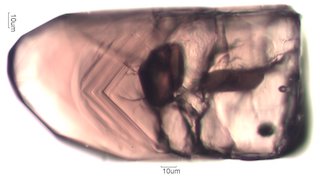
Bay, Fadalgo Island, WA
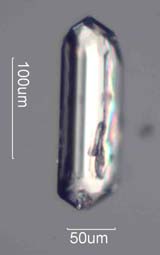
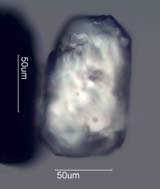
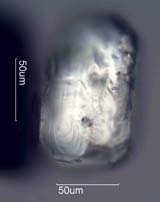
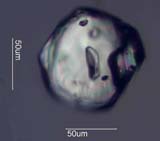
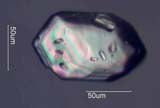
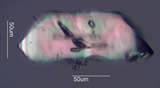
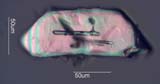
Columbia River, Vantage, WA 
Kalaloch River, Tidal Zone, WA 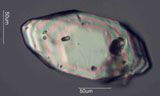
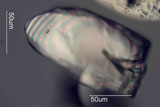
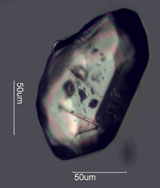
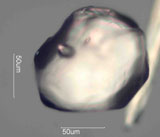
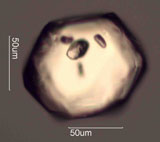
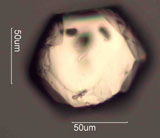
Peshatin Pinnacles, WA
Pont du Gard, France
|
