sharing our knowledge.
Photographic gallery.  Thousands of particles under the microscope.

Sand By Type and Location

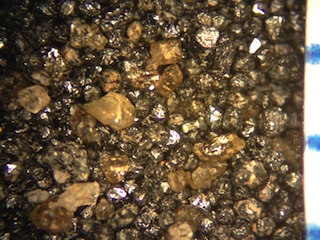
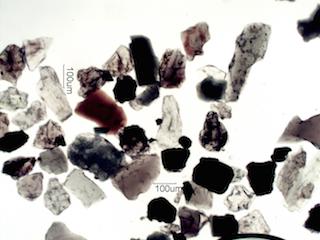
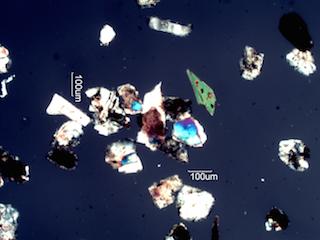
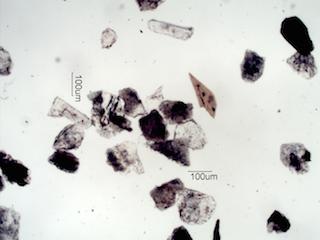
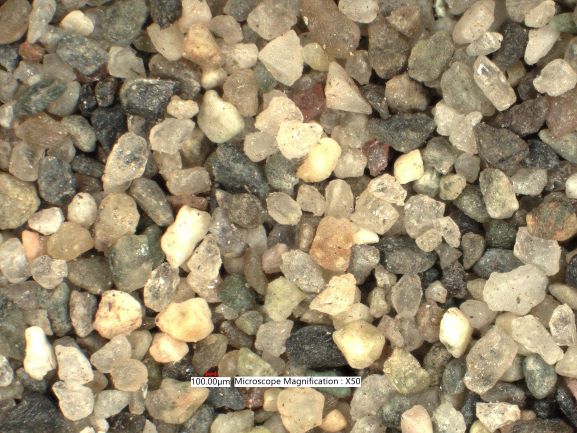
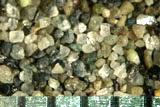
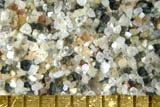
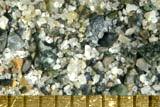
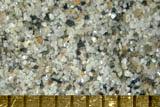
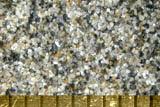
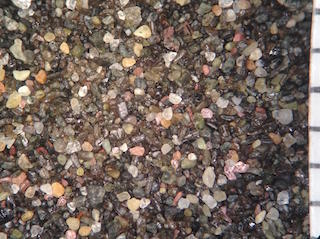
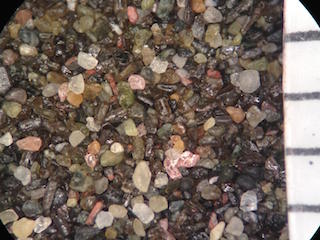
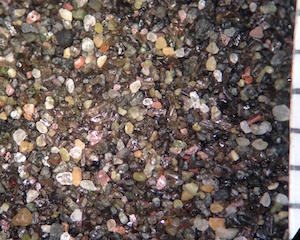
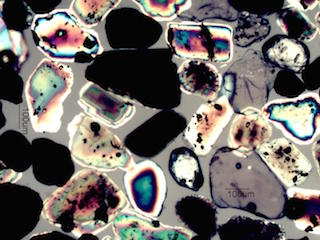
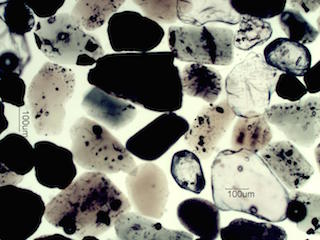
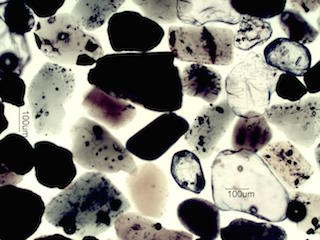
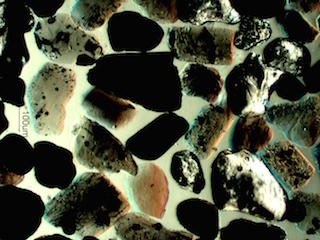
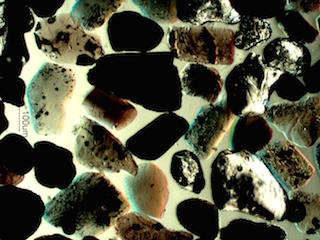
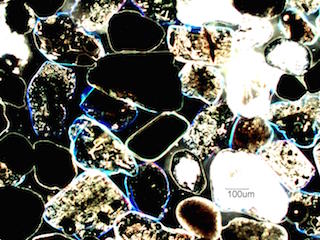
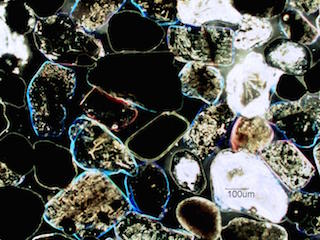
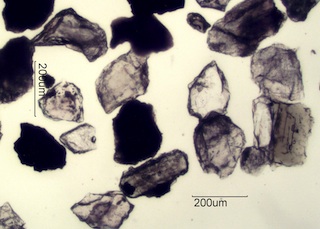
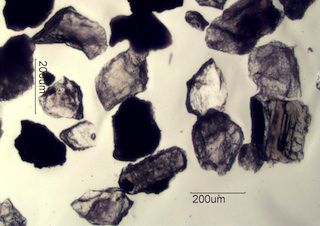
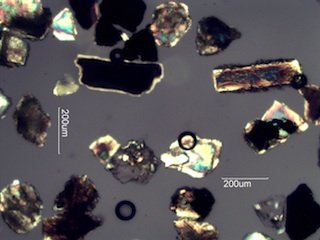
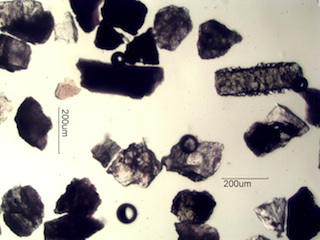
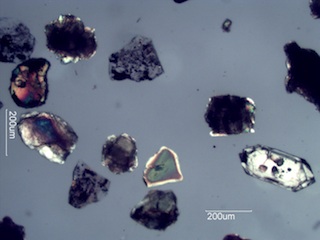
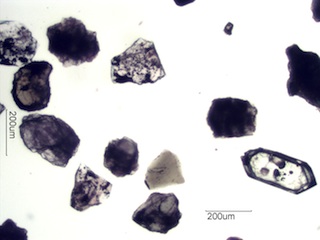
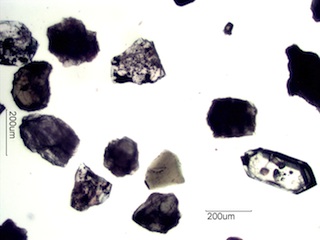
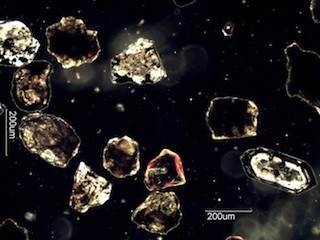
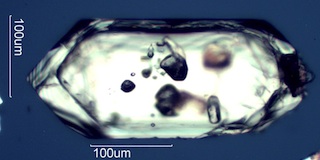
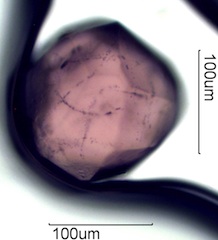
Sand is a large accumulation of small rock and/or mineral particles in the size range of from 20 micrometers to 2,000 micrometers in diameter (0.020 to 2.0 millimeters). Sand may include small shells or shell fragments and oolitic deposits. Sand is a size and density segregated material that is the result of air or water action.

Columbia River Sands

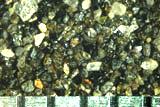
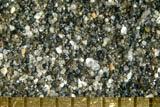
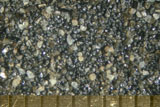
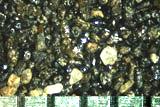
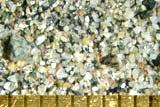
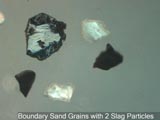
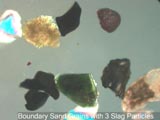
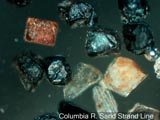
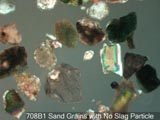
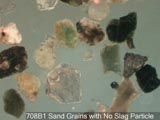
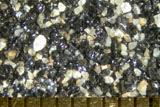
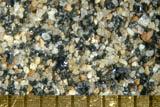
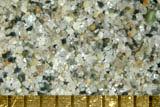
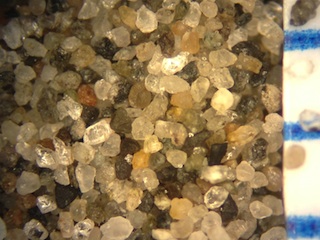
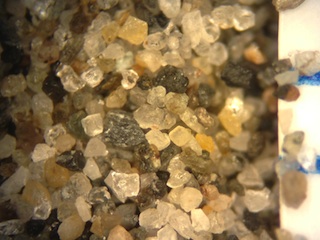
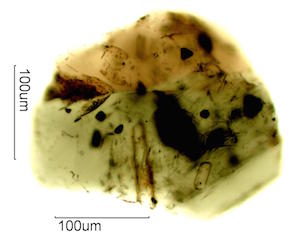
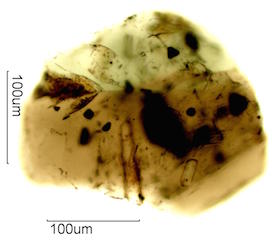
Columbia River Beach, Barker Canyon Columbia River Beach, Barker Canyon Columbia River Beach, Kruk's Bay Columbia River Beach, Kruk's Bay Columbia River Beach, China Beach Columbia River Beach Columbia River Beach Columbia River Beach, Boundary between Washington and British Columbia Columbia River Beach, Boundary between Washington and British Columbia Columbia River Beach, Mile 708 Columbia River Beach, Mile 708 Columbia River, Roger's Bar, Strand Line

Puget Sound Sands

Golden Garden Beach, Seattle, Washington State Rolfe Bay, Matia Island, Washington State Spanger Spit, Lopez Island, Washington State Shallow Bay, Sucia Island, Washington State Shallow Bay, Sucia Island, Washington State

Other Washington Sands

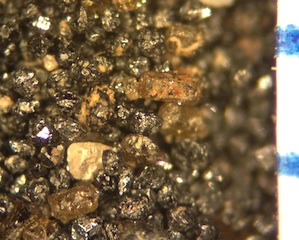
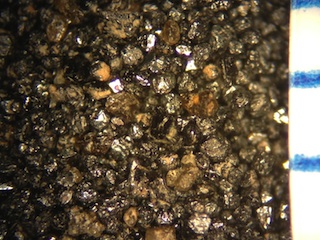
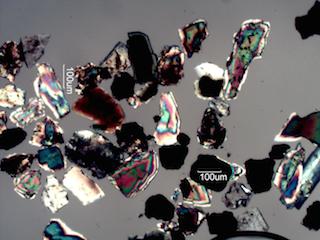
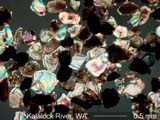
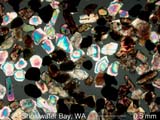
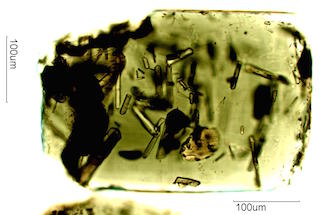
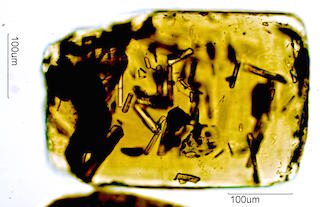
Day Creek Asbestos Sand Day Creek Asbestos Sand Kalalock River Delta, Washington State Shoalwater Bay, Washington Coast Kalaloch River Tidal Zone, Washington Coast http://www.microscopy-uk.org.uk/mag/indexmag.html?http://www.microscopy-uk.org.uk/mag/artjun01/clsand.html
(Good Information on the microscopy of sand, Great site for more information on microscopy in general)

http://www.scientificamerican.com/article.cfm?id=a-grain-of-sand-natures-secret-wonder
(Good Information on Sand with links to more information on sand)

http://www.sciencelive.org/component/option,com_mediadb/task,play/idstr,Open-feeds_fsc_exploring_sedimentary_processes_fsc02_02_m4v/vv,-2/Itemid,97
(Brief, very informative video on what can be learned from the shape of a sand grain.)