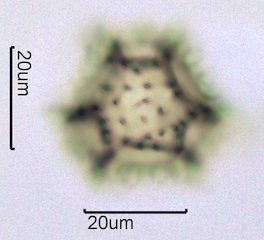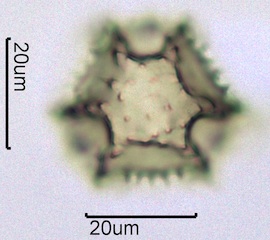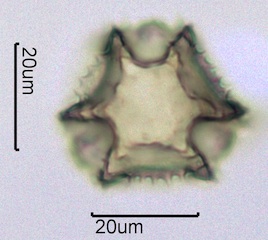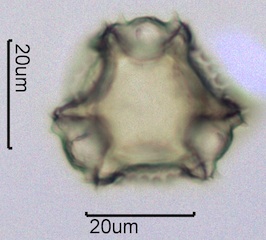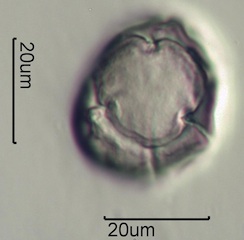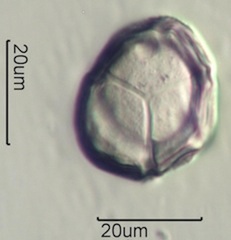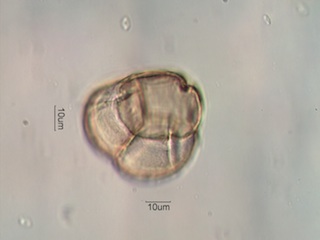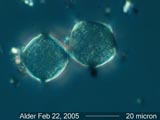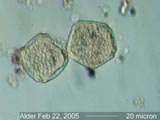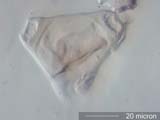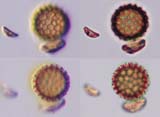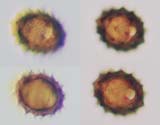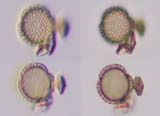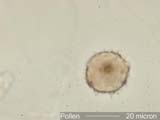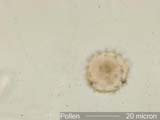
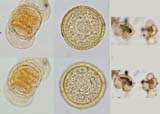
PollenVesiculate PollensVesiculate pollens are found in the Abies (Fir), Picea (Spruce), Pinus (Pine), Podocarpus (Podocarpus), and Tsuga (Hemlock). 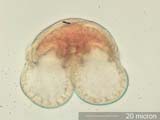
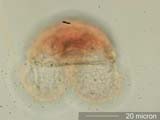
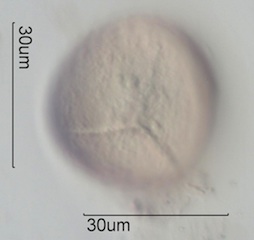
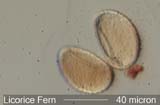
(Click here for more images in this category.) Trilete or TrichotomocolpateTrilete (Trichotomocolpate) pollens are found in the Cocos (Coconut), Sphagnum (Peat Moss), Pteridophyta (Fern), and Lycopodium (Clubmoss). 
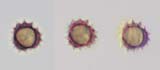
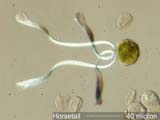
(Click here for more images in this category.) InaperturateInaperturate pollens are found in the Cupressaceae (Cedar), Equisetum (Horsetails), Larix (Tamarack), Pseudotsuga (Douglas Fir)), and Salicaceae (Cottonwood and Aspen). 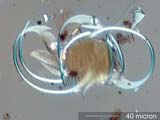
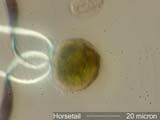
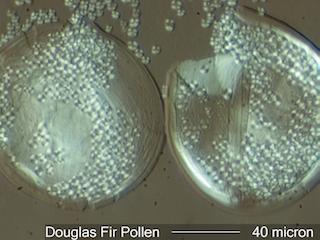
(Click here for more images in this category.) PolyplicateMonolete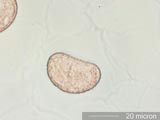
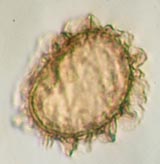
(Click here for more images in this category.) MonocolpateMonocolpate pollens are found in the Liliaceae (Lily Family) primarily. 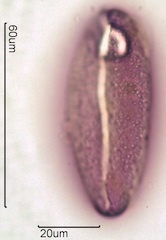
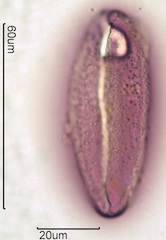
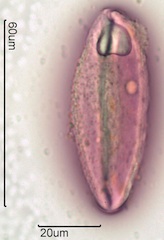
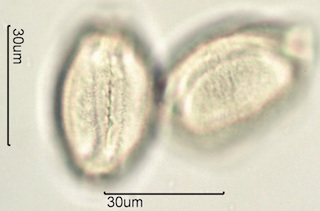
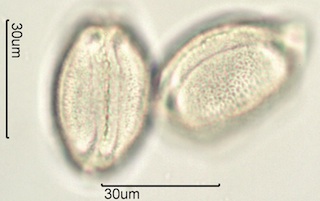
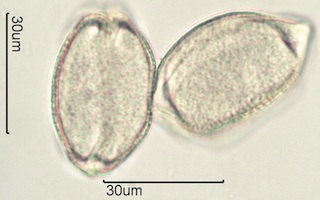
(Click here for more images in this category.) Dicolpate: Pollens with two furrows and without associated pores or transverse furrows. Tricolpate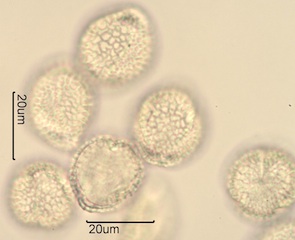
Polycolpate: Pollens with more than three furrows and without associated pores or transverse furrows. Stephanocolpate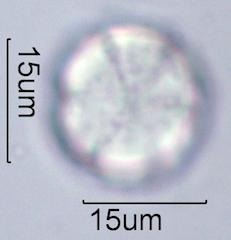
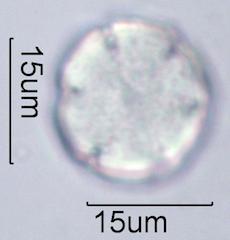
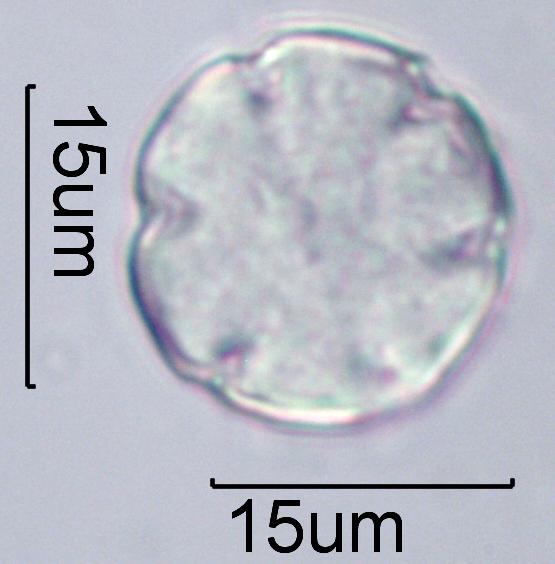
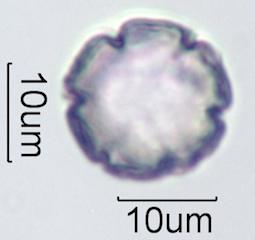
Pericolpate: Pollens as above but all the furrows are not oriented meridionally Heterocolpate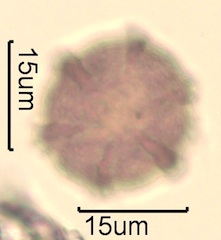
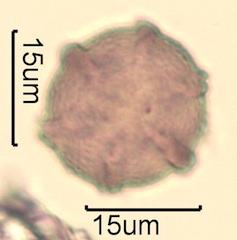
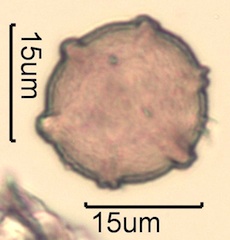
SyncolpateSyncolpate pollens are found in the Primulaceae (Primrose Family), Eucalyptus (Eucalyptus), and Berberidaceae (Barberry and oregon Grape). 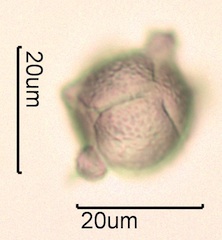
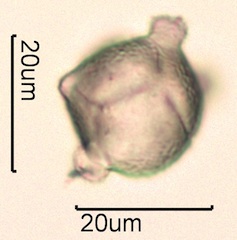
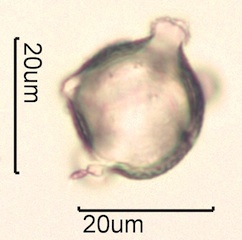
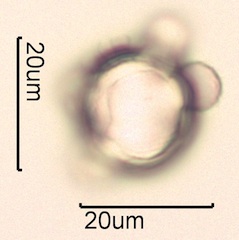
![Oregon Grape (Mahonia [Berberis] aquifolium) Pollen](https://media.microlabgallery.com/Mahonia%202a1TN.jpg)
![Oregon Grape (Mahonia [Berberis] aquifolium) Pollen](https://media.microlabgallery.com/Mahonia%202b1TN.jpg)
![Oregon Grape (Mahonia [Berberis] aquifolium) Pollen](https://media.microlabgallery.com/Mahonia%202c1TN.jpg)
![Oregon Grape (Mahonia [Berberis] aquifolium) Pollen](https://media.microlabgallery.com/Mahonia%202d1TN.jpg)
![Oregon Grape (Mahonia [Berberis] aquifolium) Pollen](https://media.microlabgallery.com/Mahonia%202e1TN.jpg)
(Click here for more images in this category.) MonoporateMonoporate pollens are found in the Gramineae (Grasses) primarily but also in the Taxodiaceae (Redwood and Cypress). 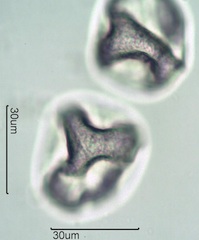
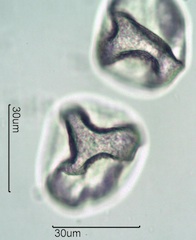
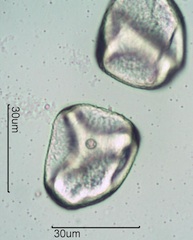
Diporate: Pollens with two pores and without associated furrows. TriporateTriporate pollens are very common so they will be sub-divided by surface ornimentation or other Dominant feature. Some species than normally have triporate pollens may show four pores. Triporate, Echinate pollens 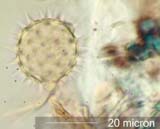
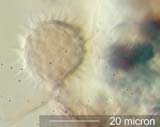
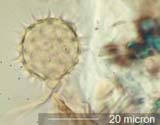
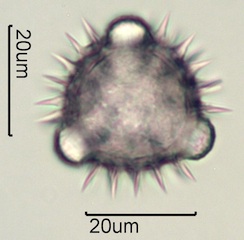
Triporate, psilate (smooth) pollens 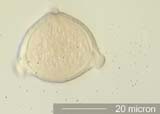
Triporate, with Vetibulum (Pore Cavity) pollens 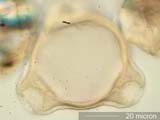
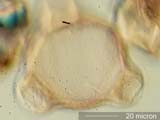
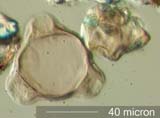
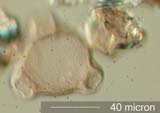
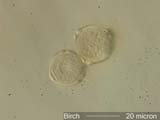
Triporate, baculate and clavate, them forming a reticulum pollens 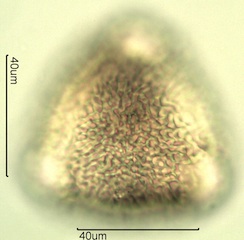
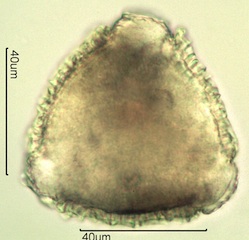
(Click here for more images in this category.) StephanoporateStephanoporate pollens are found in the Campanulaceae (Colorado Bluebells), Corylaceae (Alder),Onagraceae, and in Ulmaceae (Elm). 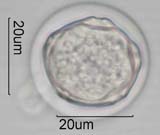
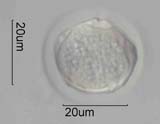
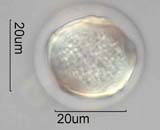
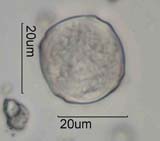
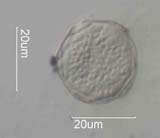
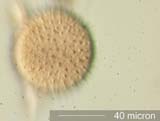
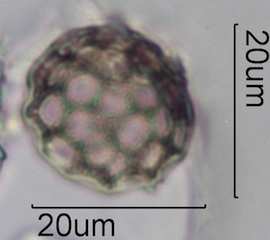
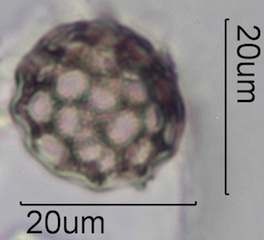
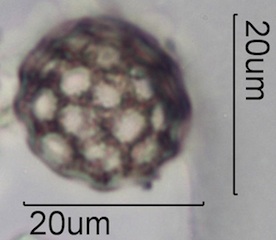
(Click here for more images in this category.) PeriporatePeriporate pollens are very common so they will be sub-divided by surface ornimentation or other Dominant feature. Periporate, psilate (smooth) pollens are found in the Boraginaceae (Lithodora), in the (). 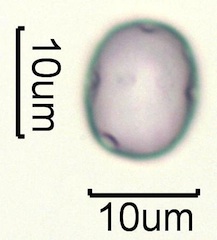
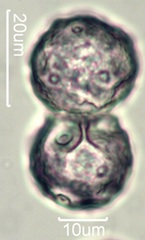
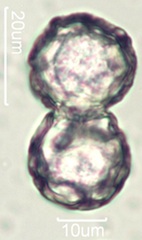
Periporate, scabrate (scab-like) pollens are found in the Plantaginaceae (Plantain) in the (). 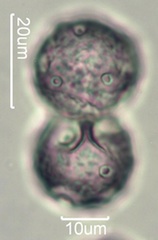
Periporate, echinate pollens are found in the Polygonaceae () in the (). 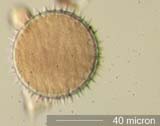
(Click here for more images in this category.) Tricolporate or Trizonocolporate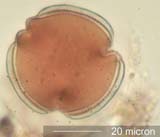
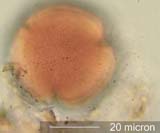
ECHINATE (Spikes) Trizonocolporate 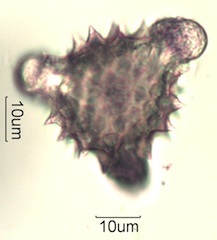
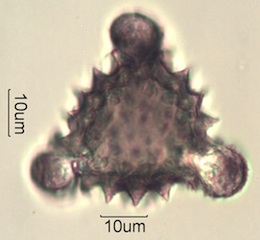
(Click here for more images in this category.) RETICULATE (Cavities) Trizonocolporate 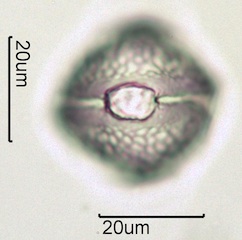
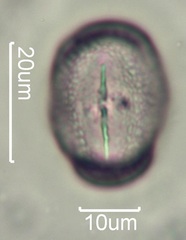
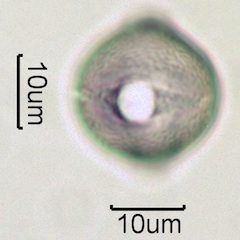
(Click here for more images in this category.) SCABRATE (No distinct surface structure) Trizonocolporate 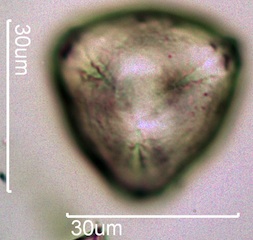
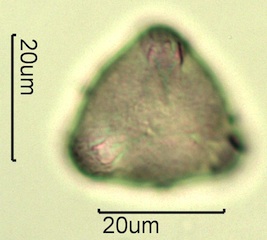
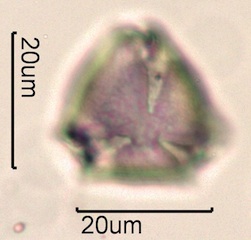
(Click here for more images in this category.) Striate (Roughly Parallel Elongation) Trizonocolporate 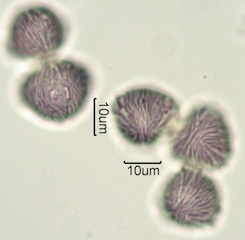
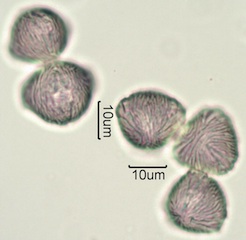
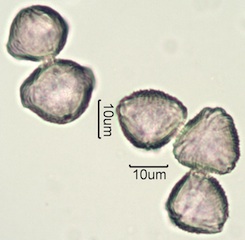
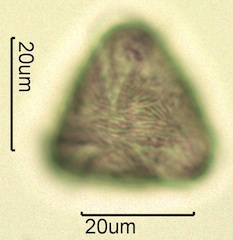
(Click here for more images in this category.) Polycolporate: Pollen with more than three furrow, each with a pore. Stephanocolporate
Pericolporate: Pollens as above but all the furrows are not oriented meridionally
|