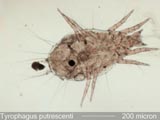
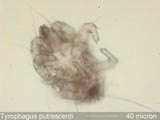
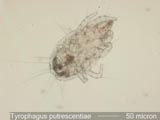
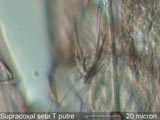
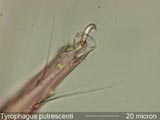
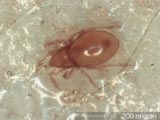
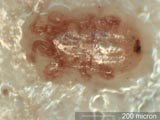
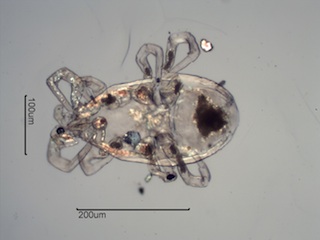
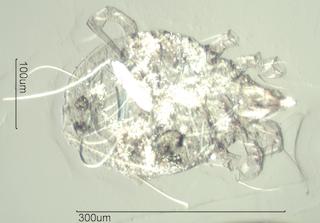
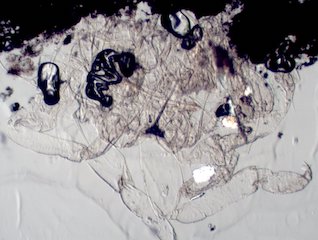
Indoor Mite DebrisA good source for information on indoor mites is the book by A. M. Hughs, THE MITES OF STORED FOOD, Technical Bulletin No. 9, Ministry of Agriculture, Fisheries and Food, London, 1961. This book can be hard to find. A very abbreviated reference but a very useful one is "Pictorial keys for the identification of domestic mites" by M. J. Colloff and F. Th. M. Spieksma in the journal Clinical and Experimental Allergy, 1992, Vol. 22, pp. 823-830. Most of these images are from environmental tapelift samples. These were collected in homes, schools, and offices. A few are from laboratory cultures. Tyrophagus putriscentiea (T. noxius included) is one of the most common mites in homes. It is known as the common mold mite and can be found in great numbers inhabiting established fungal colonies. It and other Tyrophagus mites have been documented as causing human health complaints since 1912. The first documentation of health complaints cause in homes by this mite was in 1957 though the Tyrophagus mites in general had been known to cause problems in a number of occupational settings. Many health problems in homes reported as "mold" problems may in fact be due to the presence of this mite. Tyrophagus is not detected by the allergen tests for Dermatophagoidies mites. (See Hughes, THE MITES OF STORED FOOD,p 42, 1961) 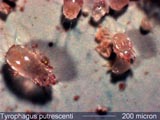
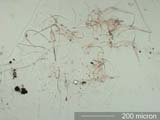
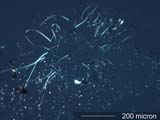
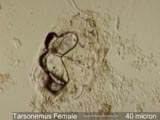
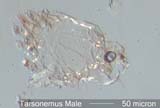
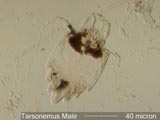
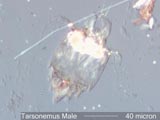
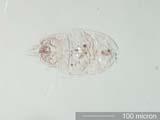
KINGDOM: Animalia PHYLUM: Arthropoda SUBPHYLUM: Chelicerata CLASS: Arachnida SUBCLASS: Acari SUPERORDER: Acariformes ORDER: Trombidiformes SUBORDER: Eleutherengona SUPERFAMILY: Tarsonemoidea FAMILY: Tarsonemidae GENUS: Tarsonemus Tarsonemus sp. are becoming increasingly common mites in homes in the United States. They have long been common in homes in Asia. It is known to be associated with asthma sufferers in Asia. Tarsonemus is not detected by the allergen tests for Dermatophagoidies mites. 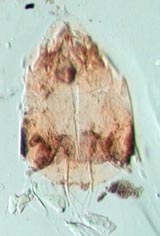
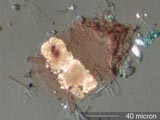
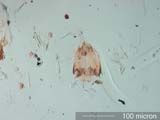
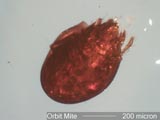
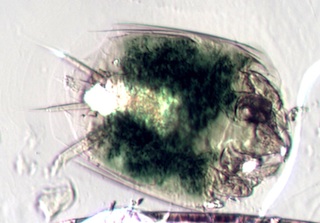
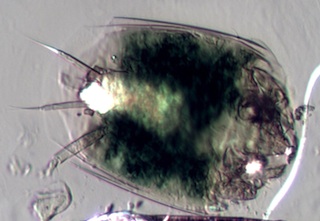
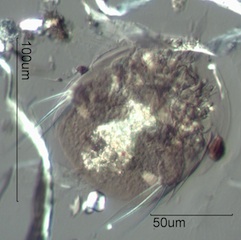
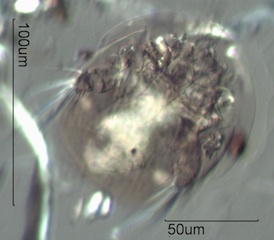
KINGDOM: Animalia DIVISION: Arthropoda CLASS: Arachinida SUBCLASS: Acari ORDER: Trombidiformes FAMILY: Demodicideae GENUS: Demodex SPECIES: folliculorum These mites inhabit the human skin, living in the hair follicles. A closely related species Demodex brevis, lives in the sebaceous glands rather than the hair follicles. 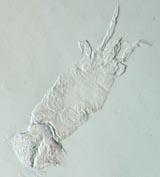
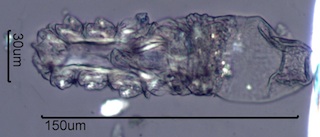
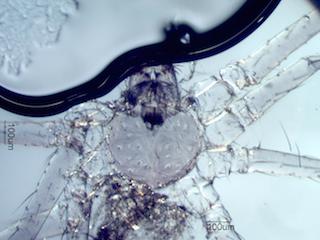
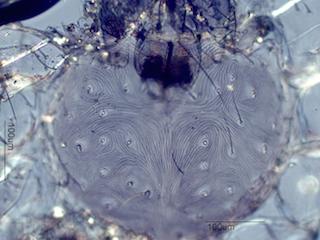
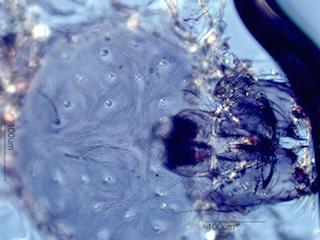
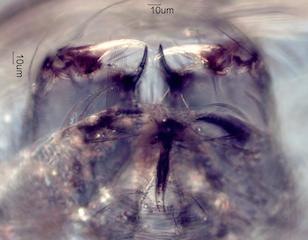
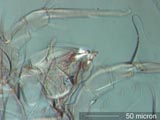
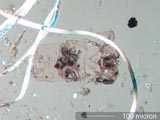
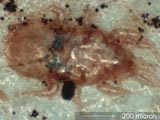
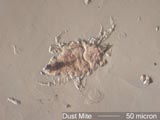
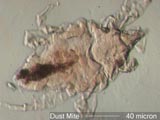
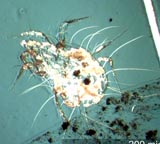
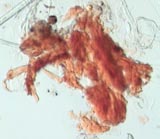
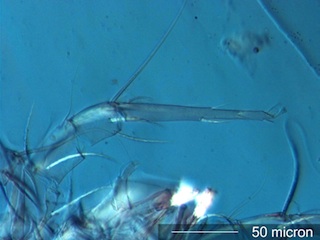
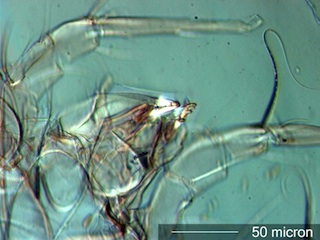
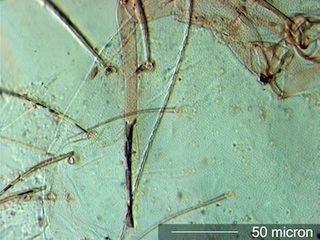
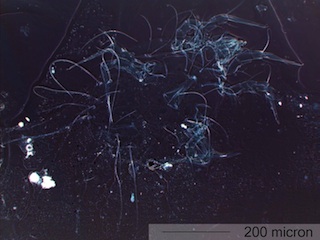
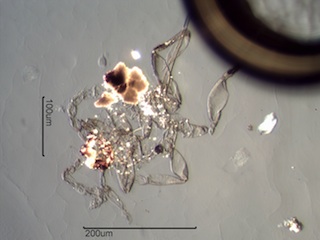
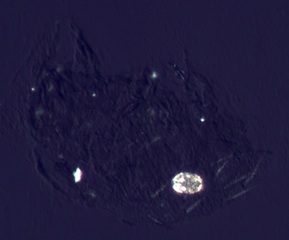
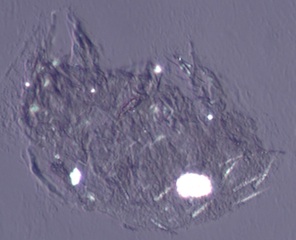
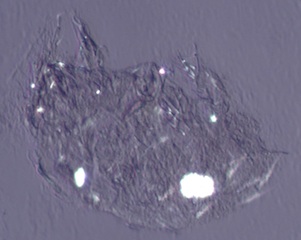
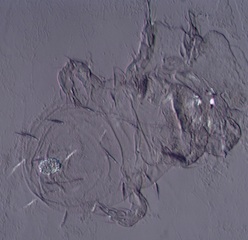
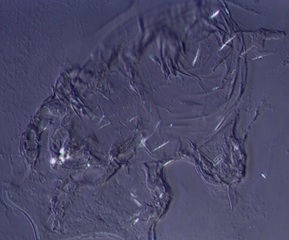
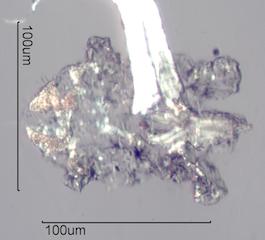
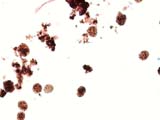
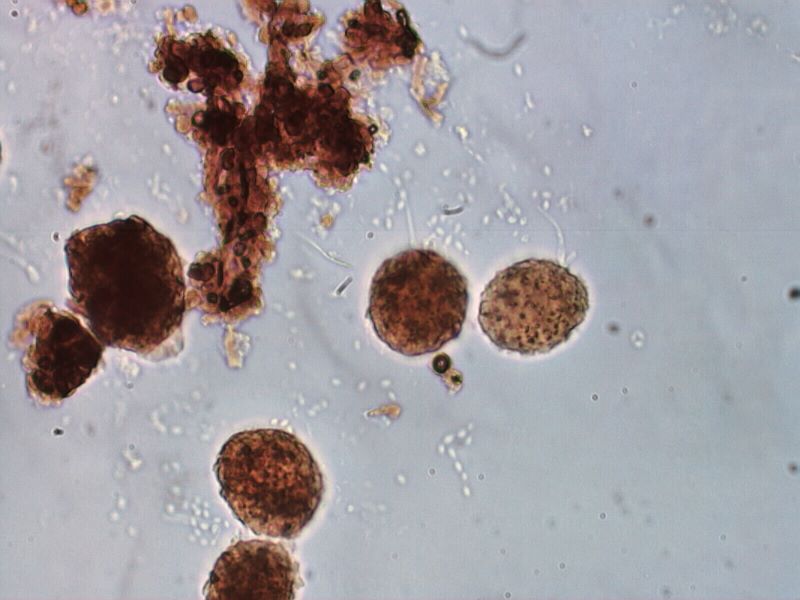
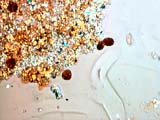
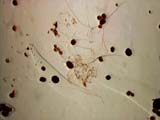
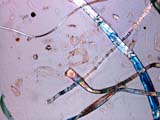
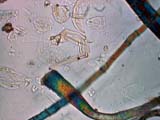
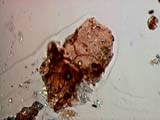
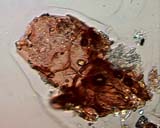
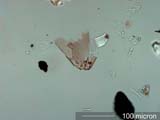
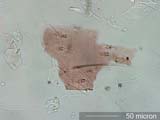
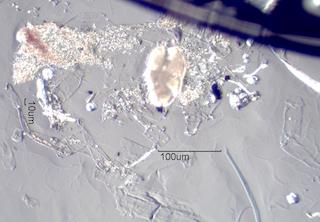
Mite frass contains much of the allergen associated with the mite. It is also often found when mite fragments or the the mites themselves may not be easily found. 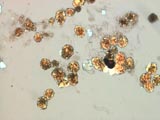


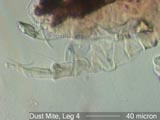
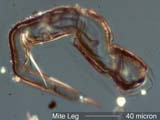
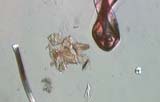
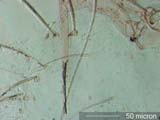
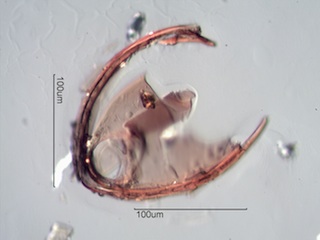
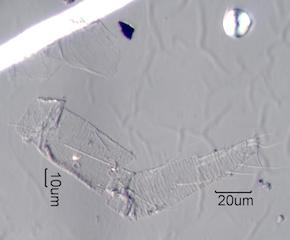
MITE LEG 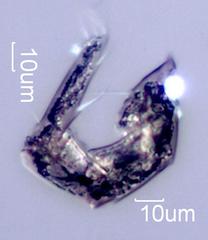
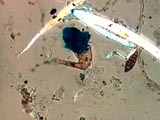
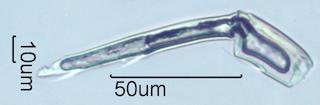
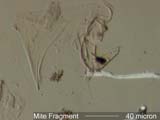
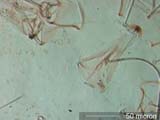
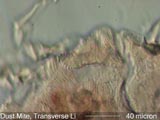
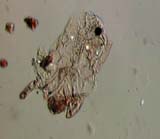
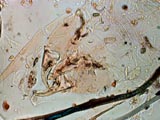
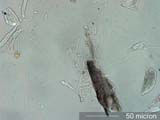
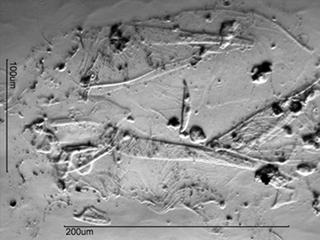
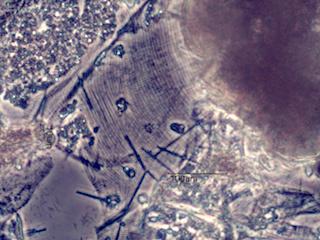
OTHER FRAGMENTS 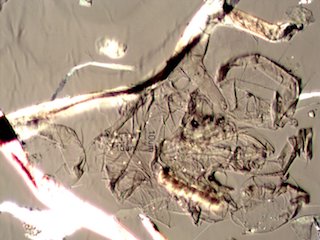
|
